Search This Blog

September 23, 2016

Visitando o Jardim Botânico de São Paulo/Visiting the São Paulo Botanic Garden

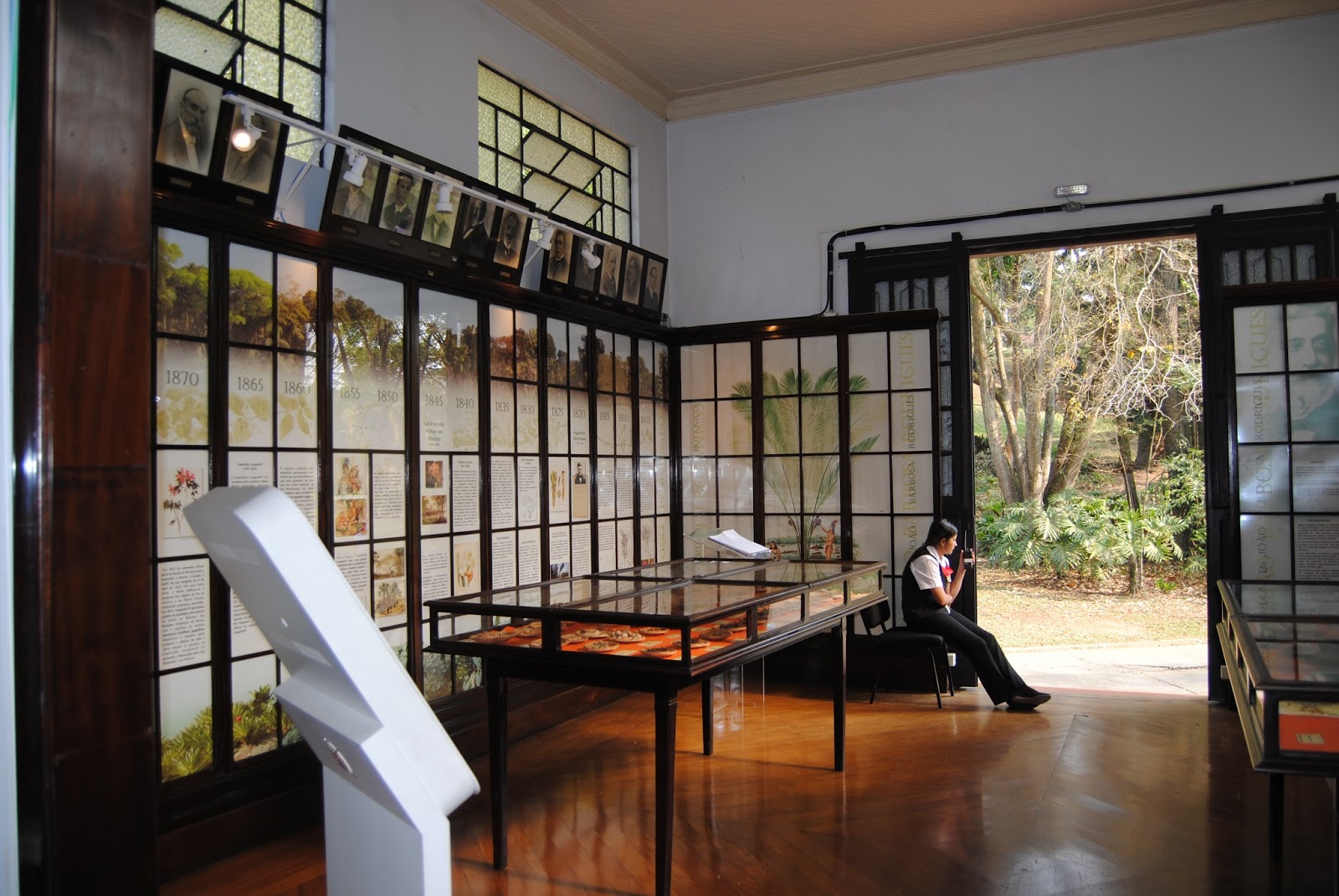
Neste último final de semana ocorreu a excursão anual dos alunos de graduação do nosso curso de Ciências Biológicas para o Jardim Botânico de São Paulo (JBSP), localizado na cidade de São Paulo. O JBSP possui uma parte de visitação e também uma reserva de Mata Atlântica, além de um pequeno (mas muito charmoso!)  museu. Sem contar a divisão de pesquisas nas diferentes áreas de Botânica. 
Cerca de cinquenta estudantes da turma do 1. ano  puderam conhecer o Jardim e aprender um pouco sobre morfologia, conservação, filogenia e biogeografia das plantas.
Quem quiser mais informações, visite http://www.ibot.sp.gov.br/jardim/.

A visita do ano de 2013 está aqui 

(Todas as fotos gentilmente cedidas por Ricardo Barosela)

----------------------------
This last weekend was the annual tour of the undergraduate students of our course of Biological Sciences at the São Paulo Botanic Garden (JBSP), located in São Paulo City. The JBSP has a visitation center and also an Atlantic Rainforest reserve, besides a small (but charming!) botanical museum. Not counting the division of research in different fields of botany.
About fifty students from the first year class got to know the garden and learn a little about morphology, conservation, phylogeny and biogeography of plants.

Anyone who wants more information, visit http://www.ibot.sp.gov.br/jardim/.

2013 visit is here

(All photos courtesy of Ricardo Barosela)


A entrada/ Entrance
Córrego Pirarungaua/ Pirarungaua creek

A entrada/ Entrance

A entrada/ Entrance

Todo mundo menos Ricardo/Everybody except Ricardo


Todo mundo incluindo Ricardo (o cara com o chapéu)/Everybody including Ricardo (the guy with a big hat)


Lago das Ninféias/ Waterlily lagoon

Lago das Ninféias/ Waterlily lagoon

Lago das Ninféias/ Waterlily lagoon

Lago das Ninféias/ Waterlily lagoon


Lago das Ninféias/ Waterlily lagoon

Lago das Ninféias/ Waterlily lagoon

Lago das Ninféias/ Waterlily lagoon

Lago das Ninféias/ Waterlily lagoon

Lago das Ninféias/ Waterlily lagoon


Lago das Ninféias/ Waterlily lagoon

Lago das Ninféias/ Waterlily lagoon


Lago das Ninféias/ Waterlily lagoon


Ninféia/ Waterlily
 
Archontophoenix cunninghamiana (Arecaceae) -palmeira-australiana


Antigo Portão/Old gate


Antigo Portão/Old gate


Jardim dos Sentidos

Jardim dos Sentidos

Magnolia


Pausa para descanso/ Pause to rest a while

Hey! Look at this palm! 

Lago das Ninféias/ Waterlily Lagoon

Lago das Ninféias/ Waterlily Lagoon

Escultura/Sculpture

Monjolo/Water Mill

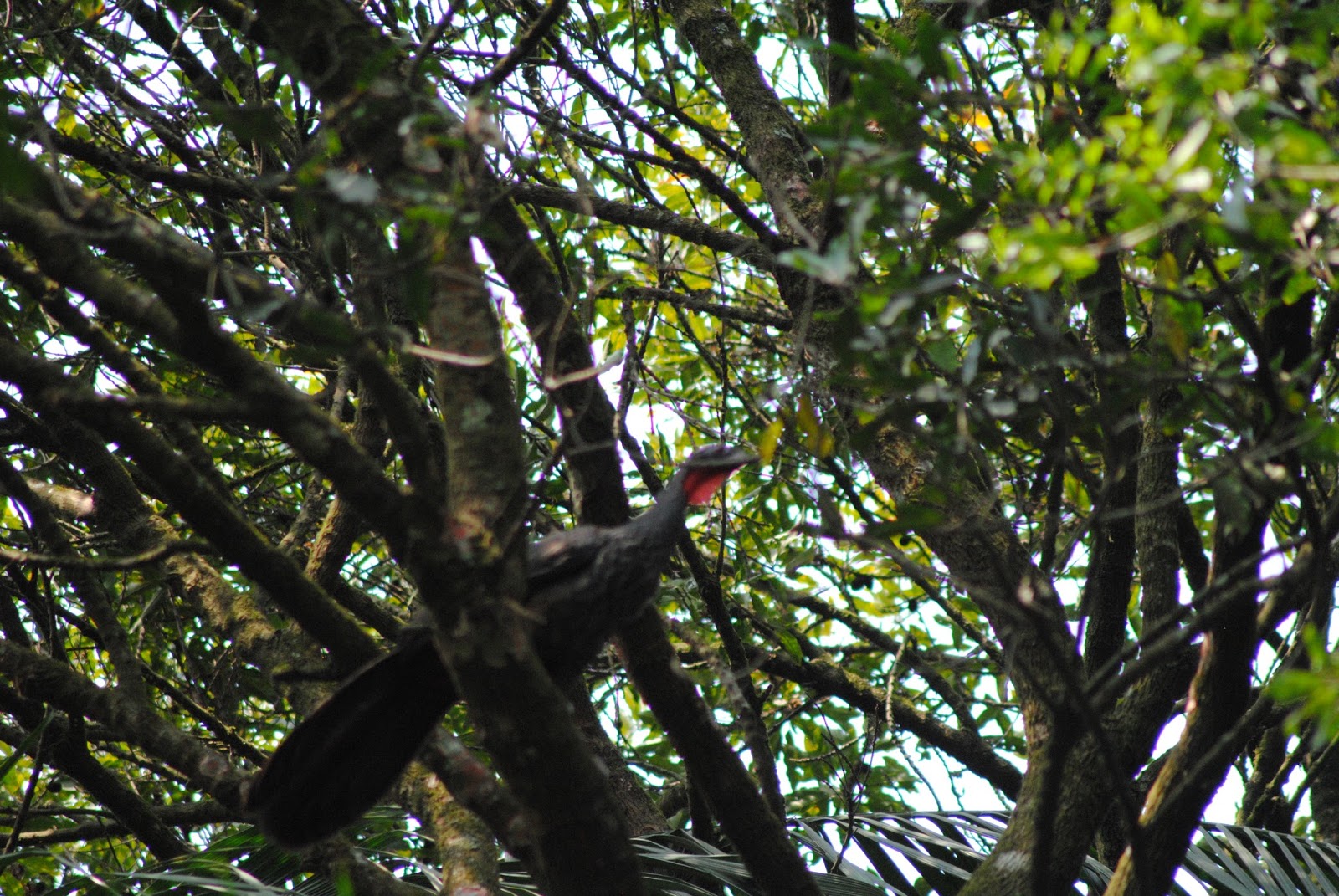
Jacutinga


Caminho de bambus/Bamboo way


Melastomataceae da Juliana Akemi Hiruma/Juliana´s Melastomataceae


Museu Botânico/ Botanic Museum

Museu Botânico/ Botanic Museum

Museu Botânico/ Botanic Museum

Museu Botânico/ Botanic Museum

Museu Botânico/ Botanic Museum


Orquídea/Orchid

Orquídea/Orchid


Orquídea/Orchid


Museu Botânico/Botanical Museum


Museu Botânico/Botanical Museum

Museu Botânico - o vitral filogenético /Botanical Museum - The Phylogenetic Stained Glass

Museu Botânico/Botanical Museum

Museu Botânico/Botanical Museum

Museu Botânico/Botanical Museum

Museu Botânico/Botanical Museum


Museu Botânico/Botanical Museum

Museu Botânico/Botanical Museum

Museu Botânico/Botanical Museum

Museu Botânico/Botanical Museum


September 16, 2016

Exposição Múltiplos Sentidos em Martius & Spix/ Exhibition Multiple Perceptions in Martius & Spix

Click Figure to enlarge
No próximo dia 19 de setembro de 2016 (segunda-feira, às 19:00 horas) haverá a exposição "Múltiplos Sentidos de Martius & Spix", a ser realizada na Sala de Concertos da Tulha (próximo à piscina) Universidade de São Paulo, campus Ribeirão Preto, Brasil. A apresentação será um evento conjunto realizado entre o Departamento de Música e o de Biologia da nossa Faculdade, com participação de docentes do Programa de Pós-Graduação em Biologia Comparada e Entomologia. 
Martius e Spix participaram da expedição bávara-austríaca que percorreu o Brasil no século XIX coletando plantas, animais e informações sobre o os povos locais, suas músicas e seus costumes. Para os botânicos, esta expedição foi importante pois forneceu o grosso do material para a confecção da grandiosa Flora brasiliensis, o maior tratamento de uma flora em todos os tempos.

Durante o evento haverá palestras sobre a expedição de Martius & Spix e  sa contribuição dos dois para a ciência brasileira, apresentação de músicas recolhidas por Martius durante a expedição e uma exposição de plantas (exsicatas do nosso Herbário, SPFR) e animais (Peixes e Anfíbios) das coleções do nosso Departamento. Além disso, haverá a exposição de cinco volumes da Flora brasiliensis

A programação segue abaixo, uma viagem na história, música e no estudo da biodiversidade do nosso país.

A entrada é franca! Apareçam!

----------------------------------------------------------------------
Next September the 19th, 2016 ( Monday, 7:00 pm) there will be the exhibition "Múltiplos Sentidos de Martius & Spix" (Multiple Perceptions of Spix & Martius), to be held in Tulha Concert Hall (nera the campus pool)University of São Paulo , Ribeirão Preto, Brazil . The exbibition will be a joint event held between the Department of Music and the Biology of our Faculty, with the participation of professors from the Comparative Biology and Entomology Pos-Graduate Programs. 
Martius and  Spix were two german naturalists who attended the Bavarian -Austrian expedition that toured Brazil in the nineteenth century collecting plants, animals and different information about the local people, their music and their customs . For botanists, this expedition was important because it provided the bulk of the material for making the colossal Flora brasiliensis, the greatest treatment of a flora of all times .

During the event there will be lectures about the expedition of Spix & Martius and presentation of songs collected by Martius during his stay in Brazil, besides exhibition of plants (dry plants in exsicatae, from our herbarium SPFR), anphibians and fishes from our collections. In addition, five volumes of the Flora brasiliensis.

The program follows a journey into the history, music and the study of biodiversity of our country.

Admission is free ! Turn It Up!


May 22, 2016

Stapelia variegata, a enganadora de moscas/Stapelia variegata, a deceptive of flies

Stapelia variegata. Photo by Milton Groppo
Umas três semanas atrás foi o aniversário do Tito, filho dos amigos Max e Suzana. Na festa foram distribuídos vasos de suculentas com dinossaurinhos (Tito adora dinossauros, o pai coincidentemente é paleontólogo).

Eu acabei pegando duas plantinhas e uma delas deu flor agora: Stapelia variegata (família Apocynaceae), da África do Sul (Flora da Província do Cabo). A planta parece um cacto (mas não é uma cactácea) e tem esta linda flor em forma de estrela com cores variegadas. O problema é o cheiro: parece o odor de lagartixa morta. As flores são polinizadas por moscas, que são enganadas pelo cheiro de carniça e pela cor da flor. Elas botam os seus ovos na flor e no processo polinizam a planta. Todos os ovos são perdidos e a mosca acaba se dando mal!

Vejam um vídeo com outra espécie do mesmo gênero sendo polinizada por moscas aqui (pobre mosca...)

Um belo presente Suzana e Tito, muito obrigado!
-----------
Nearly three weeks ago it was Tito´s birthday, son of our friends Max and Suzana. At the party they were distributed succulents pots with little dinosssaurs (Tito loves dinosaurs, the father is coincidentally a paleontologist).

I took two little plants and one of them produced one flower now: Stapelia variegata (Apocynaceae family) from South Africa (Cape Flora Province). The plant looks like a cactus (but it is not a cactaceous) and has this beautiful star-shaped flower with variegated colors. The problem is the smell: it seems the smell of a dead gecko. The flowers are pollinated by flies, which are deceived by the carrion smell and the color of the flower. Flies lay their eggs in the flower surfce and in the process pollinate the plant. All eggs are lost and the fly ends up giving wrong!

Check a video with another species of the same genus being pollinated by a fly here (poor, poor fly...)

A nice gift Suzana and Tito, thank you!


Stapelia variegata. Detail of the center of the flower. Photo by Milton Groppo

Stapelia variegata and a little dinosssaur, both gifts from Tito´s birthday party.

May 18, 2016

IV Darwin Day Ribeirão Preto!

O "Darwin Day RP" (RP - Ribeirão Preto, Brasil), é um evento organizado pelos alunos de pós-graduação do Departamento de Biologia (FFCLRP) da Universidade de São Paulo, Ribeirão Preto, Brasil. Dois Programas de Pós-Graduação estão envolvidos: o de Biologia Comparada o de Entomologia. O evento tem como objetivo discutir as idéias de Charles Darwin, assim como o seu legado no campo da Biologia.

Uma das palestras, da doutoranda do nosso laboratório Carolina Ferreira mostrará a extensa pesquisa botânica de Charles Darwin

O evento será realizado amanhã, 19 de maio, na Faculdade de Direito de Ribeirão Preto - USP e terá transmissão on-line: http://iptv.usp.br/portal/transmission.action?idItem=33066 (das 8:00-19:00h)

Mais informações em:
https://www.facebook.com/darwindayrp2016/ 
--------


The "Darwin Day RP" (RP - Ribeirão Preto, Brazil), is an event organized by the postgraduate students from the Department of Biology (FFCLRP),  University of São Paulo, Brazil. Two postgraduate programs from that Department are  the organizers: Comparative Biology and Entomology. The event aims discussing Charles Darwin´s ideas, as well as his legacy in the field of  Biology.

Carolina Ferreira, a PhD student from our Lab. will present one of the lectures, showing the large botanical research of Charles Darwin.

The event will be held tomorrow, May 19, in Ribeirão Preto Law School - USP, and broadcast on-line: http://iptv.usp.br/portal/transmission.action?idItem=33066 (from 8: 00-19: 00)

More information at:
https://www.facebook.com/darwindayrp2016/ 


May 16, 2016

Luciano Margalho e colegas da Embrapa publicam livro on-line gratuito com noções de taxonomia e identificação de plantas/Luciano Margalho and colleagues from Embrapa publish free online book with concepts in taxonomy and plant identification

Luciano Margalho, aluno de doutorado do nosso Laboratório (Programa de Pós-Graduação em Biologia Comparada) publicou, juntamente com colegas da Embrapa Amazônia Central (Belém-PA, Brasil) livro com noções básicas de morfologia, taxonomia e identificação de plantas. Com várias fotos ilustrativas e ênfase em grupos da Amazônia Brasileira, o guia é um ótimo auxiliar na identificação de plantas, inclusive no campo. 
O livro é gratuito e pode ser baixado AQUI
Belo trabalho Luciano!
----------------------------------------
Luciano Margalho, a doctoral student from our laboratory (Graduate Program in Comparative Biology) published along with colleagues from the Embrapa Amazônia Central (Belém-PA, Brazil) a book with the basics of morphology, taxonomy and plant identification. With several illustrative photos and an emphasis in the Brazilian Amazon groups, the guide is a great help in the identification of plants, including in the field.
A nice job Luciano!

The book is free and can be downloaded HERE


May 13, 2016

Giuseppe Penone revela as formas das árvores no passado/Guiseppe Penone reveals the shape of the trees in the past

Muitas vezes é difícil de entender a estrutura de uma árvore olhando os anéis de crescimento na madeira. Como podemos saber qual era a forma daquela árvore bem mais jovem, há algumas décadas, centenas ou até milhares de anos atrás?
O artista italiano Giuseppe Penone tem esculpido obras de artes simplesmente retirando várias (mas não todas!) camadas de anéis de crescimento de troncos cortados e revelando a forma das árvores no passado. Mesmo os ramos podem ser vistos nas suas esculturas. Literalmente uma viagem ao passado dentro das árvores.
A série de esculpuras já foi exibida em vários países na exposição The Hidden Life Within
(veja mais aqui) .
Lembrando que o lenho é formado pelo xilema secundário proveniente de atividade cambial e que os ramos também engrossam com o tempo. 

Maravilhoso!
--------------
It is often difficult to understand the structure of a tree looking at its growth rings in the wood. How do we know what the shape of the tree when much younger, a few decades or even hundreds or thousands of years ago?
The Italian artist Giuseppe Penone has carved works of art simply by removing several (but not all!)  layers of growth rings of cut logs and revealing the shape of the trees in the past. Even branches may be seen in his sculptures. Literally a trip back into the trees.
The series of sculptures has been shown in several countries in the exhibition The Hidden Life Within (see more here)
Recalling that the wood is formed by the secondary xylem derived from cambium activity and the branches also thicken with time.

Wonderful!

Giuseppe Penone
Giuseppe Penone removes some growth rings and reveals the tree when it was younger

Luciana discute os mecanismos de isolamento reprodutivo em plantas/Luciana discusses the reproductive isolation mechanisms in plants

Luciana Cavalcalte, aluna de IC do nosso Laboratório,  apresentou a discussão na última quinta-feira (5 de maio) no seminário semanal do Laboratório de Sistemática de Plantas. Foi discutido uma parte do capítulo de Judd et al. (2008) - Plant Systematics - a Phylogenetic Approach -  que trata dos mecanismos de isolamento reprodutivos (barreiras) em plantas. Toda a atividade foi em inglês. A palestra provocou uma boa discussão!

----------------------
Luciana Cavalcante, an undergraduate student from our Lab. presented the discussion on last Thursday (May, the 5th) at the Weekly Seminar of the Laboratory. The base text was a part of a chapter from Judd et al. (2008) - Plant Systematics - a Phylogenetic Approach - the text is a didatic compilation of mechanisms of reproductive isolation (barriers) in plants. All the activity was in English. The lecture sparked a good discussion!

Luciana Cavalcante (notice the cute fruits of Zanthoxylum rhoifolium - Rutaceae)
Luciana Cavalcante
Luciana Cavalcante


May 1, 2016

Cipsela ou aquênio? Laura Affonso discute artigo sobre o uso dos termos na tipologia de frutos/Cypsela or Achene? Laura Affonso discusses the use of these terms within fruit typology

Laura Affonso, aluna de mestrado do nosso laboratório, apresentou a discussão na última quinta-feira ( 28 de abril) no seminário semanal do Laboratório de Sistemática de Plantas. Foi discutido um artigo que clarifica um pouco o debate sobre o uso dos termos cipsela e aquênio na nomenclatura de tipos de frutos. Os autores do artigo são Juliana Marzinek, Orlando Cavalari De-Paula e Denise Maria Trombert Oliveira. O artigo está disponível on-line aqui
http://www.scielo.br/scielo.php?script=sci_arttext&pid=S0100-84042008000300018

Como usual, o encontro foi todo em inglês. 

Na mesma semana aconteceu o aniversária da Laura o pessoal do Laboratório organizou um festa de aniversária para a Laura.

Parabéns pelo seminário e pelo aniversário Laura!

-----------------------
Laura Affonso, a graduate student from our Lab. presented the discussion on last Thursday (April, the 28th) at the Weekly Seminar of the Laboratory. We discussed an article that clarifies a little the debate on the use of terms cypsela and achene in the nocmelature of fruit typology. The authors of the article are Juliana Marzinek, Orlando Cavalari De-Paula and Denise Maria Trombert Oliveira. The entire article is available online here

As usual, the  meeting was all in English.


In the same week it was Laura´s Birthday and people from Lab. organized a well deserved party.


Congratulations for the seminar and your birthday Laura!

Laura Affonso. Photo by Carolina Ferreira

Laura Affonso. Photo by Carolina Ferreira


April 26, 2016

Alunos de Anatomia Vegetal produzem suas próprias cores/Plant Anatomy students produce their own colors

Detail of a vascular bundle of the stem (Group L) 
Se antes os alunos do curso de Anatomia Vegetal desenharam e esquematizaram lâminas que já estavam prontas (ver post aqui) , agora eles aprenderam a cortar, clarificar e corar os seus próprios cortes anatômicos, com a preparação de lâminas histológicas. Foram utilizados caules e folhas frescas de Piper aduncum (Piperaceae), e Sarablau como corante. Os cortes foram fotografados com os celulares dos alunos. Alguns ficaram muito bons e as imagens "psicodélicas" das estruturas poderiam ser usadas para estampar tecidos ou quadros! Ciência é beleza!

A atividade foi conduzida principalmente por Ricardo Barosela e Carolina Ferreira, que elaborou os roteiros.
-------------------------------------

If previosly the students of Plant Anatomy course had drawn and schematized  material in permanent glass slides (see post here) now they learned to cut, clarify and give color to their own anatomical cuts, with the preparation of semi-permanent histological slides. We used stems and fresh leaves of Piper aduncum (Piperaceae), and Sarablau coloring. The sections were photographed with cellphone cameras. Some cuts were amazing and the "psychedelic" images of the structures could be used to stamp fabrics or pictures! Science is beauty!

The activity was conducted mainly by Ricardo Barosela and Carolina Ferreira, who prepared the scripts.


Stem. Tranversal section. (Group C)


Students preparing cuts and taking photos in the microscopes. Photo by Carolina Ferreira
Detail of a vascular bundle (Stem) - (Group L) 
Detail of the epiderm with trichomes and collenchyma (Stem) - (Group L) 
Plants and glasses. A little mess is unavoidable. Photo by Carolina Ferreira

"Is this thin enough?" (Photo by Carolina Ferreira)


Detail of a vascular bundle (Stem) - (Group L) 
Epiderm with a little trichome (Stem) - (Group L)


April 25, 2016

10.000 visualizações! /10,000 views!


Este blog atingiu 10.000 visualizações  com o post sobre os relatórios de aula prática feitos pelos alunos de Anatomia Vegetal 


10.000 visualizações para um blog de um Laboratório de Universidade que trabalha com "hard science" aqui no Brasil é muita coisa. 

Obrigado a todos pelas visitas!

Milton
-----------------------------------------------------------------------------------------

This blog reached 10,000 views with the post on the class reports made by students of Plant Anatomy

10,000 views to a blog from a Lab. in a Brazilian University whose focus is hard science is quite something!

Thank you all for visiting!

Milton


April 21, 2016

Paola apresenta seus dados em sistemática de Barnadesioideae (Asteraceae) e Dasyphyllum em nosso Seminário Semanal/Paola presents her data on Barnadesioideae (Asteraceae) and Dasyphylum in our Weekly Seminar

Paola and a (really large!) Asteraceae phylogeny
Paola Lima Ferreira, doutoranda do nosso Laboratório, apresentou no último dia 14 de abril os seus dados em sistemática de Barnadesioideae (Asteraceae) e Dasyphyllum na nossa reunião semanal do Laboratório de Sistemática de Plantas. 

Como de costume, toda a atividade foi em inglês, inclusive a seção de perguntas, como treinamento para conferências internacionais. 

Lembrando que Paola já tinha recebido uma menção honrosa pelo seu trabalho no VI Encontro de Biologia Comparada (ver post http://sistematicadeplantasrpherbariospfr.blogspot.com.br/2013/12/aluna-do-laboratorio-ganha-mencao.html)

------------------------------------

Paola Lima Ferreira, a PhD student of our Laboratory, presented Thursday (April, the 14th) her data on systematics of Barnadesioideae (Asteraceae) and Dasyhyllum in our Laboratory of Plant Systematics´ Weekly Seminar.

As usual, all the time English was the language spoken, as  a training in foreign conferences.

Just remembering Paola had already received an honorable mention for her work in the VI Meeting of Comparative Biology (see  http://sistematicadeplantasrpherbariospfr.blogspot.com.br/2013/12/aluna-do-laboratorio-ganha-mencao.html)
Paola Lima Ferreira


Paola Lima Ferreira


April 11, 2016

Anatomia Vegetal: quando as aulas inspiram a arte/ Plant Anatomy: when classes inspire art.

Student: Marina Corbani
Este ano as aulas da graduação de Anatomia Vegetal estão sob a minha responsabilidade (Milton). Uma equipe formada por alunos de graduação, pós-graduação e o técnico Ricardo Barosela, tem me ajudado na condução das turmas. As atividades que envolvem a observação de cortes anatômicos são sempre acompanhadas de desenhos, com um treino do uso de escalas e também de familiarização com os tecidos que formam o corpo do vegetal.

Alguns relatórios são mostrados aqui. São surpreendentemente belos e mostram como a biologia pode inspirar a arte.

O layout da atividade foi desenvolvido por mim e pela doutoranda Carolina Ferreira, depois de uma conversa com Ricardo Barosela. Os cortes anatômicos são também de Ricardo, que ajudou na interpretação das estruturas.

--------------

This year the undergraduate Plant Anatomy classes are under my responsibility (Milton). A team  composed by undergraduate and graduate students, as well as the technician Ricardo Barosela, has supported me to conduct the classes. Activities that involve the observation of anatomical cuts are always accompanied by drawings, with a training in the use of scales and also familiarization of plant tissues that form the body of the vegetals.


Some reports are showed here. They are surprisingly beautiful and show how biology can indeed inspire art!

The layout of the activity was developed by me and PhD student Carolina Ferreira, after talking during a class. Anatomical cuts were made by Ricardo Barosela, who also helped with the correct interpretation of the structures. 
Isadora Scabello


Isadora Scabello

Juliana Lima

Juliana Lima

Laís Manoel

Laís Manoel

Marcus Jordão

Marcus Jordão

Marina Corbani

Marina Corbani


Andréia Dom Pedro

Andréia Dom Pedro

Heloísa Maeoka

Heloísa Maeoka

April 9, 2016

Gustavo Delvecchio conduz a discussão sobre Nomenclatura Botânica e o Phylocode/Gustavo Delvecchio leads debate on Botanical Nomenclature and PhyloCode

O estudante de iniciação científica Gustavo Delvecchio conduziu, na última quinta-feira (7 de abril), o seminário semanal do Laboratório de Sistemática de Plantas. O texto-base para a discussão foi um dos capítulos (na verdade um Apêndice) de Judd et al. (2008 - Plant Systematics) - Botanical Nomenclature. A atividade, toda em inglês, levou à reflexões sobre o Código de Nomenclatura Botânica e o Phylocode. Foi uma boa conversa!

Próxima semana a doutoranda Paola Ferreira apresentará seus dados em Sistemática de Dasyphyllum (Asteraceae). 

-----------------------------

The undergraduate student Gustavo Delvecchio led last Thursday (April 7th), the weekly seminar of the Plant Systematics Laboratory. The basic-text for the discussion was one of the chapters of (actually an Appendix) Judd et al. (2008 - Plant Systematics) - Botanical Nomenclature. The activity, all in English, led to reflections on the Botanical Nomenclature Code and the PhyloCode.
It was a nice talk!

Next week the PhD student Paola Ferreira will show us her data on systematics of Dasyphyllum (Asteraceae) 


Gustavo speaking. Notice flowers of Esenbeckia grandiflora Mart. (Rutaceae) in the background. Photo by Laura Affonso.